How can international brands maintain a consistent identity while adapting their stores to different cultures, customer expectations, and shopping habits?
A retail concept that works in Vienna might not have the same impact in Shanghai. And a store experience that attracts customers in Beijing may require a completely different approach in Riyadh.
Why? Because successful international retail design is not about copying the same store concept everywhere. It is about understanding local markets while maintaining a recognisable global brand identity. As brands expand internationally, they face an important challenge: how can they create consistent brand experiences while responding to different cultural influences, shopping habits and customer expectations?
The short answer: Keep the core of your brand the same everywhere: logo, signature colours, key materials, quality standards and service principles. Adapt the store layout, customer flow, product presentation, technology and services to each market. In Europe, the building and its surroundings shape the store. In China, the store is part of a digital ecosystem. In the Middle East, hospitality, privacy and premium service shape the experience.
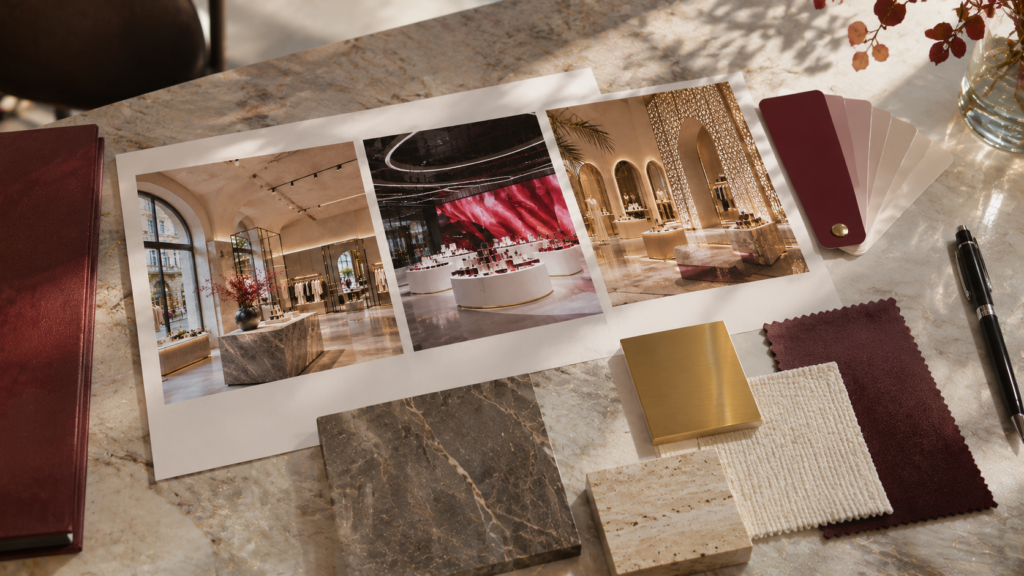
We design stores in all three regions, with offices in Vienna, Beijing and Shanghai and a partner office in Riyadh. Here is what we have learned about each market, and how to decide what your store should keep and what it should adapt.
Retail Design in Europe: Architecture, Quality and Context
European retail environments are shaped by diverse architectural traditions, established shopping cultures and increasingly experience-driven consumer expectations.
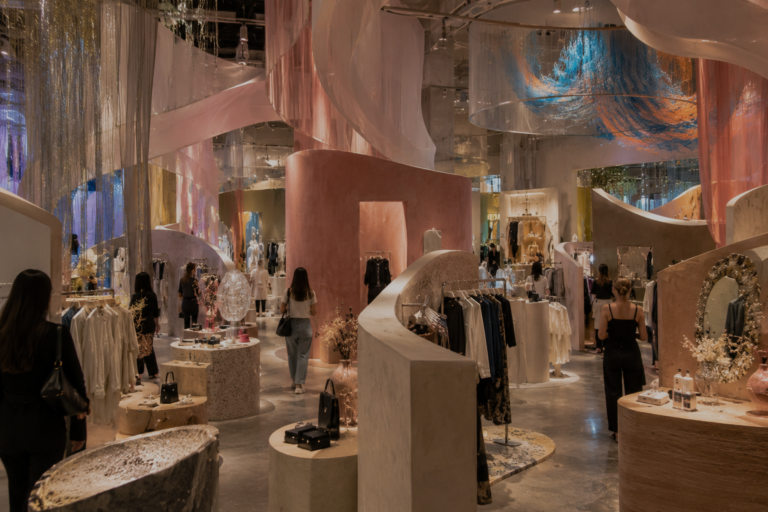
In cities such as Vienna, Paris and Milan, retail design often needs to balance contemporary brand identity with the architectural character of its surroundings.
Historic buildings, protected façades and unique urban environments can become valuable elements of a store concept rather than limitations.
In practice, this often means working with heritage protection rules, permits for façades and signage, and smaller or irregular floor plans than in a new shopping mall. Planning for these early saves time and avoids costly redesigns.
Quality and functionality are equally important. Material selection, lighting, spatial organisation and product presentation all contribute to creating a coherent customer experience.
Sustainability is also becoming a clear expectation. Durable fixtures, responsibly sourced materials and energy-efficient lighting help a store meet both customer expectations and local regulations.
For international brands entering Europe, successful retail store design means finding the right balance between architectural integration, contemporary aesthetics and practical functionality.
Read more: Retail Store Design in Europe: Tradition Interpreted Through Contemporary Design
Retail Design in China: Digital Innovation and Experiential Retail
China has become one of the most influential markets for retail innovation. Physical stores increasingly operate as part of a connected digital ecosystem, where online shopping, social commerce and in-store experiences complement one another.
Customers often discover a brand on platforms such as Xiaohongshu (RED), Douyin or WeChat before they visit the store. They come to the store to try the product, take photos or join an event, and they pay and reorder with their phone.
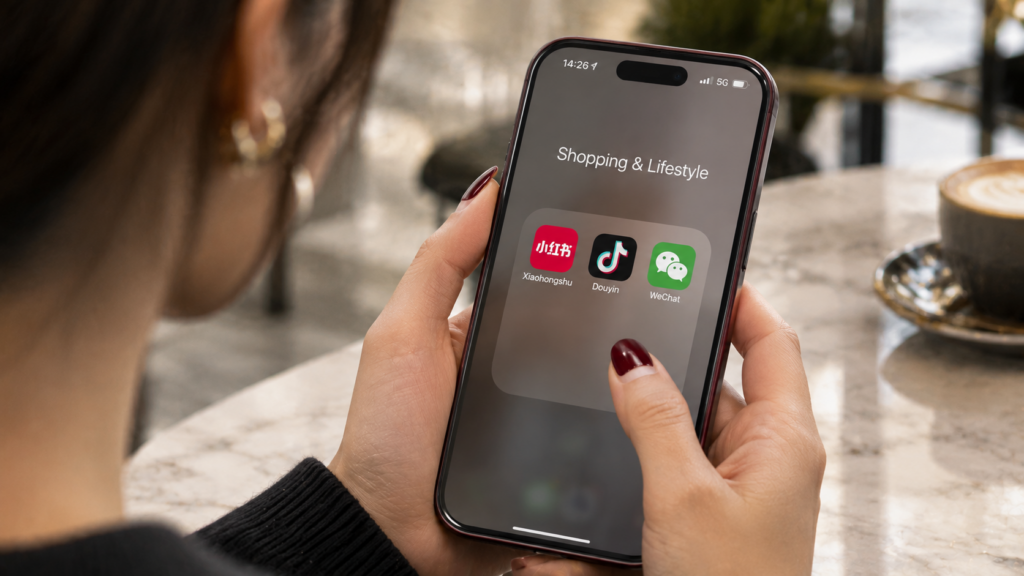
For international brands, this means that a physical store should offer more than product displays and traditional sales areas.
Consider how a store can become:
- A destination for product interaction and demonstrations.
- A space for exclusive launches and brand activations.
- A connection point between online discovery and offline shopping.
- A location for creating social media content and engaging with communities.
Technology plays an important role, but successful digital retail design is not simply about installing interactive screens. Technology should improve the customer journey and make the experience more intuitive.
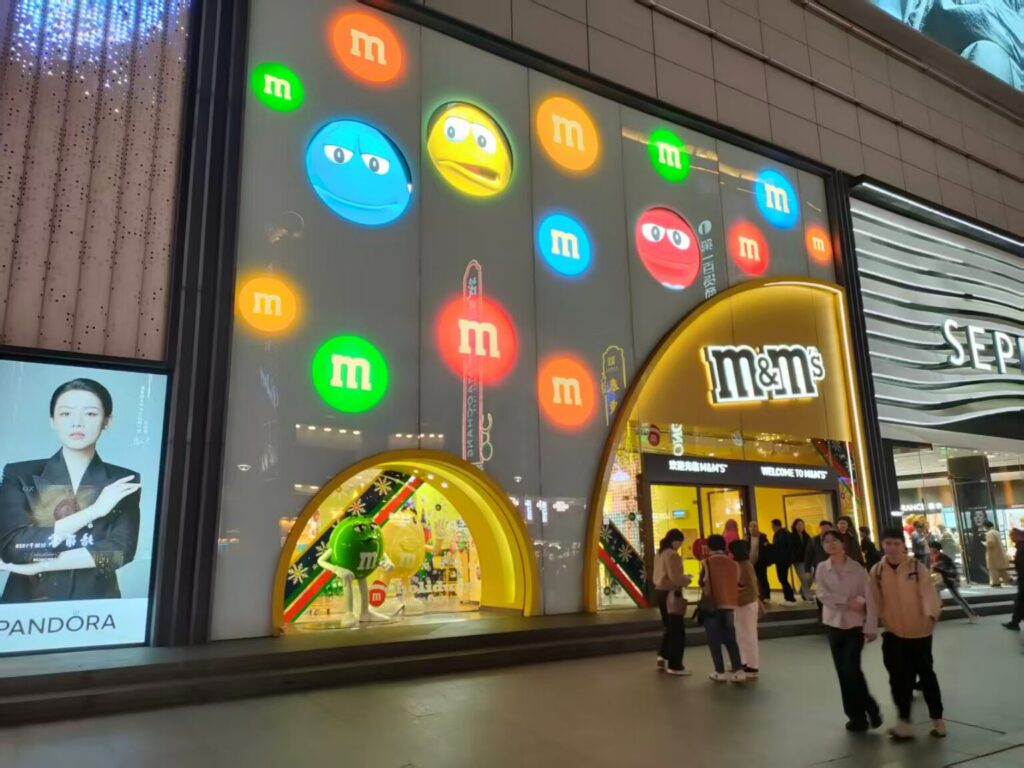
Flexible layouts and modular display systems are also valuable in a fast-moving retail environment, allowing brands to adapt their spaces to changing products and campaigns. Project timelines are often short, and shopping malls usually have their own design and fit-out rules, so working with a team that knows these requirements saves time.
Read more: Designing for China: What International Brands Need to Know About Retail Spaces
Retail Design in the Middle East: Luxury, Hospitality and Cultural Identity
The Middle East, particularly markets such as the UAE and Saudi Arabia, offers significant opportunities for international retail brands, driven by large new shopping, mixed-use and tourism developments and, in Saudi Arabia, by Vision 2030.
Retail destinations increasingly combine shopping with hospitality, dining, entertainment and lifestyle experiences.
This creates a different approach to retail architecture. Stores are not simply places to purchase products; they can become destinations in their own right.
For premium and luxury brands, the customer experience extends beyond materials and aesthetics. Personal service, privacy, welcoming environments and attention to detail all contribute to the perception of quality.
Cultural understanding is equally important. Depending on the market and target audience, spatial organisation, customer circulation, privacy and hospitality requirements may influence the design concept. Examples include more private areas for trying on products or for VIP clients, comfortable seating for families and groups, bilingual Arabic and English signage, and colours, patterns and lighting that reflect local preferences.
A successful retail environment should therefore combine the international brand identity with a thoughtful understanding of local expectations.
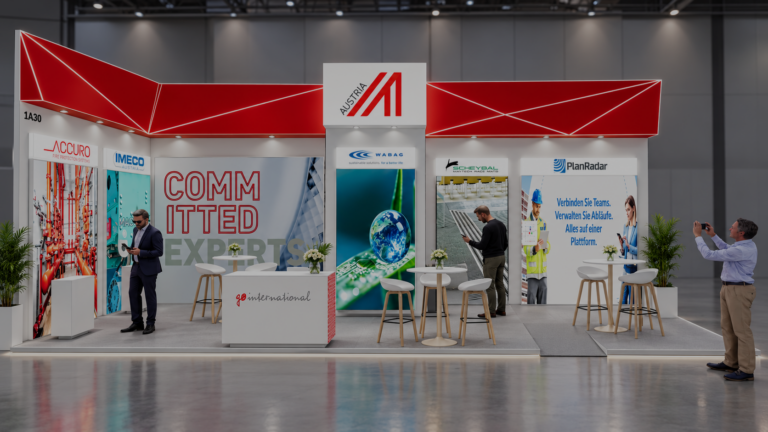
Read more: How to Design a Small Exhibition Stand That Creates a Big Impact in Saudi Arabia
Global Brand Identity vs. Local Adaptation: What Should Change?
One of the biggest challenges in international retail expansion is knowing what to keep consistent and what to adapt.
Changing too much can weaken brand recognition. Changing too little can result in a store concept that feels disconnected from its local market.
The solution is to establish a clear global design language while allowing flexibility in its implementation.
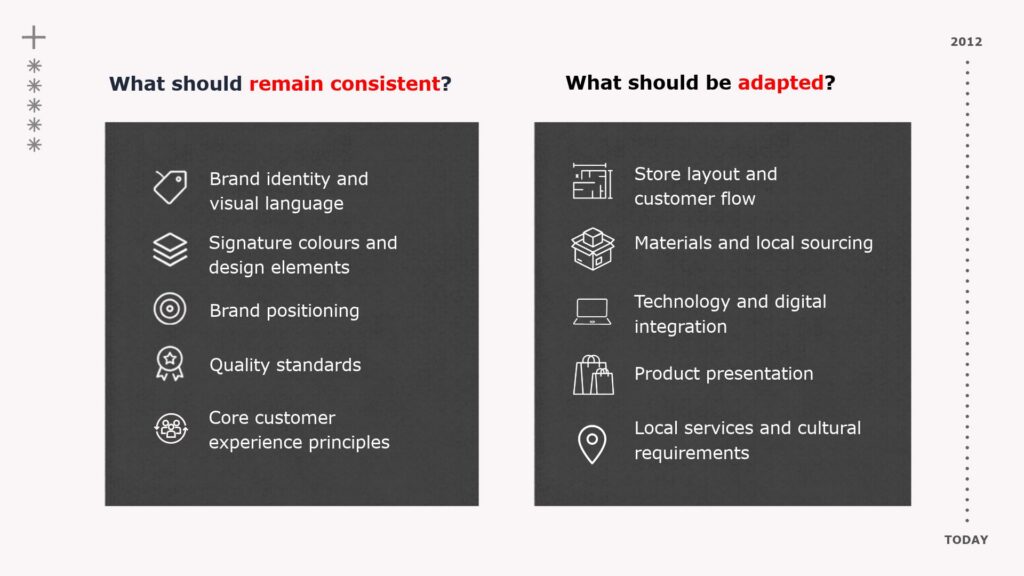
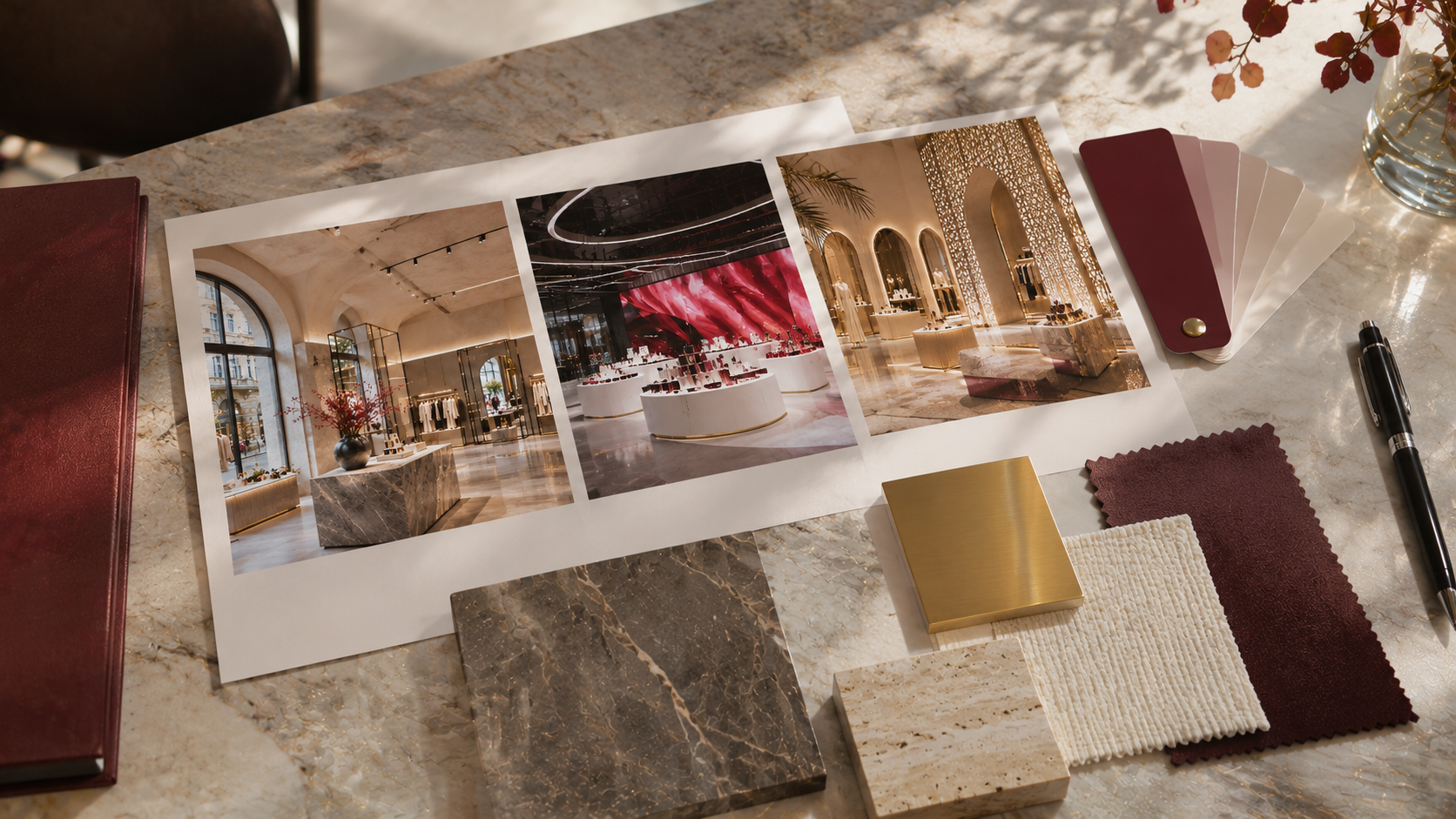
For example, a brand might maintain the same signature colours, lighting principles and furniture details across all locations while adapting the store layout, materials and customer journey to local conditions.
This approach allows international brands to remain recognisable without creating identical retail environments everywhere.
- Think Globally, Design Locally
International retail expansion requires more than translating an existing store concept into another language or adapting it to a different floor plan.
It requires understanding the relationship between brand identity, customer behaviour, architecture and local market conditions.
Europe demonstrates the importance of architectural context and quality. China highlights the opportunities of digital integration and experiential retail. The Middle East shows how hospitality, premium experiences and cultural understanding can shape physical environments.
There is no universal retail design formula that works everywhere.
The strongest international retail concepts are those that remain true to the brand while feeling relevant to the people and places they serve.
takes, and whether the first store will be followed by a roll-out.
How 5 Star Plus Retail Design Supports International Brands
5 Star Plus Retail Design is an Austrian retail design agency that has worked with international brands since 2012. With offices in Vienna, Beijing and Shanghai and a partner office in Riyadh, we help brands adapt their store concepts to Europe, China and the Middle East.

Our multidisciplinary team of architects, interior designers, marketing specialists and retail consultants develops retail environments that connect brand identity, customer experience and commercial goals.
From retail analysis and store concept design to detailed design, furniture production with our partners in China and store roll-outs, one team takes care of your project, so you do not need to coordinate several agencies in different countries.
Whether you are planning a flagship store, entering a new market or rolling out your concept to several locations, we help you decide what to keep and what to adapt.
Planning a store in Europe, China or the Middle East?