Designing stores and other commercial spaces for the Saudi market requires a deep understanding of the region’s culture, visual aesthetics, and values. In recent years, Saudi Arabia has experienced significant transformations in the retail and interior design industries, with international brands seeking ways to adapt their spaces to meet the expectations of local consumers. One of the most effective approaches in this regard is the integration of traditional elements with modern design—a strategy that aligns with Saudi cultural values while maintaining a luxurious and contemporary feel in the design of retail stores.
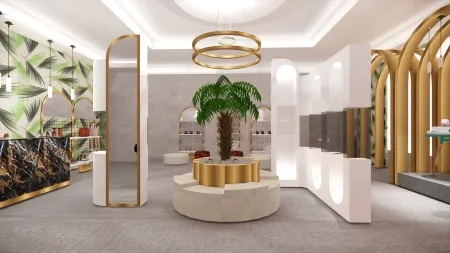
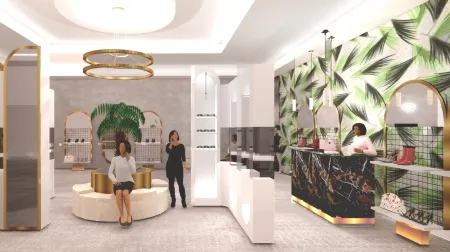
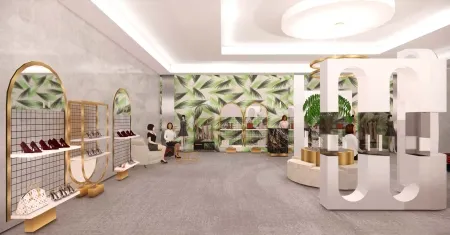
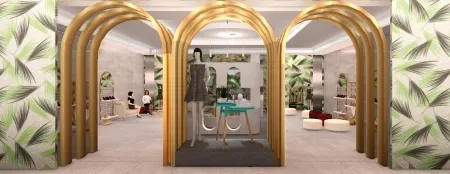
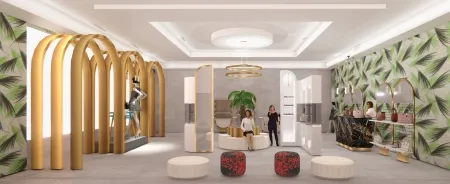
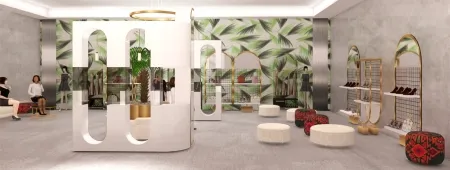
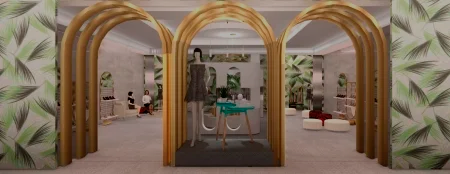
Saudi Arabia, renowned for its desert landscapes and palm trees, provides a natural inspiration for creating serene and authentic commercial spaces. Incorporating elements such as palm leaf patterns on walls, the use of natural plants, and warm materials can evoke a sense of tranquillity and cultural connection. This approach not only enhances the aesthetic appeal but also creates an emotional link with the local audience, making it an essential component of Saudi Retail Design.
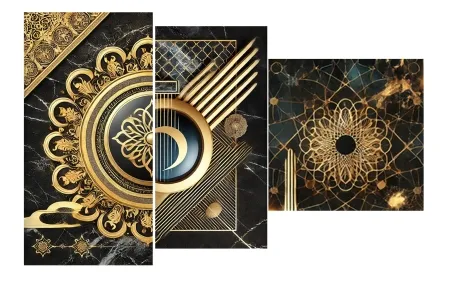
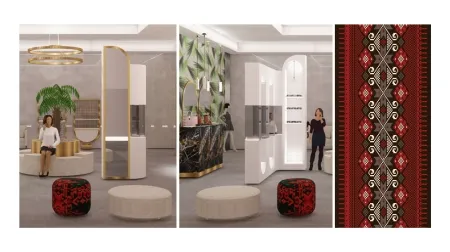
The color gold holds immense significance in Arabic culture, symbolizing wealth and grandeur. By incorporating gold accents throughout the space – such as in display units and lighting – designers can elevate the luxurious atmosphere of the Arabic store design concept, delivering an upscale shopping experience. Additionally, combining this color with materials such as black marble creates a balance between classic and modern design, a key feature in Retail Design in the Middle East.
By mixing curved arches, textured materials, and marble surfaces, the space combines tradition and modern style, creating a pleasant and elegant atmosphere.
Moreover, Saudi Arabian culture places great importance on social and communal spaces. Creating a central area for conversation and relaxation, with comfortable seating like fabric poufs adorned with rich Arabic patterns, enhances the customer experience. These spaces not only encourage interaction among customers but also provide a welcoming environment where individuals can connect with both the products and each other.
Conclusion
Designing spaces for the Saudi Arabian market requires a deep understanding of the local culture, lifestyle, and tastes of the target audience. Combining natural elements, luxurious colors, social spaces, intelligent lighting, and traditional architectural details can create a unique and memorable experience for customers.
By adhering to these principles, brands can create an environment that is not only luxurious and attractive but also in harmony with the cultural values of Saudi Arabia. This approach is key to success in creating impactful stores and other commercial spaces in one of the most dynamic global markets, especially within Retail Design in the Middle East.