The Instagram Trap: Why a Photogenic Store Isn’t Necessarily a Successful Store

Instagrammable stores can attract attention, generate social media engagement, and strengthen brand recognition. But does it encourage customers to explore, interact, and buy?

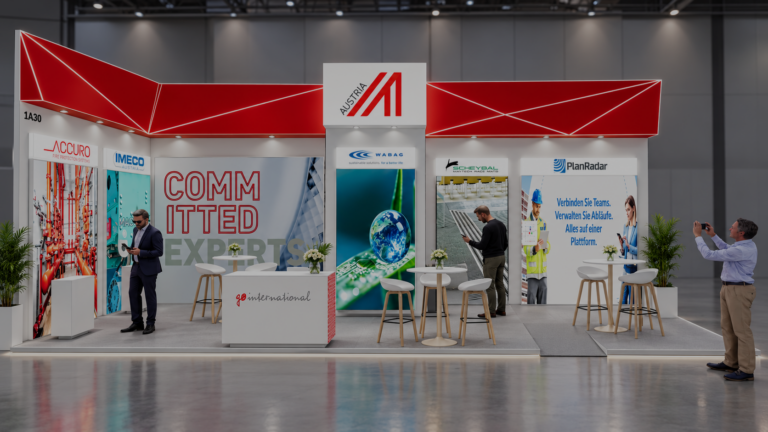
In today’s digital world, Instagram-worthy retail interiors have become an important part of brand marketing. Striking architecture, statement lighting, and creative displays can transform a store into a shareable visual experience.

However, a photogenic store does not automatically translate into successful retail performance. Effective retail store design must balance aesthetics with functionality, customer experience, and business objectives.

Image Source: AI-generated image by 5 Star Plus Retail Design

This is the Instagram trap: prioritising how a store looks in photographs over how it works in real life.

Which Retail Design Mistakes Make a Beautiful Store Hard to Shop?

A visually impressive store creates a strong first impression, but poor space planning, confusing layouts, and oversized decorative features can make shopping difficult.

The most common mistakes include:

  • Designing for the camera: Statement features attract attention but may distract from products.
  • Ignoring navigation: An unclear store layout makes it harder for customers to find what they need.
Instagram-Worthy, but Hard to Navigate: Striking displays and curved partitions create visual impact but obstruct sightlines and make it difficult for customers to find products; Image Source: AI-generated image by 5 Star Plus Retail Design
  • Overcomplicating the space: Too many visual elements compete for attention and overwhelm customers.
  • Neglecting product presentation: Inappropriate lighting, materials, and displays can undermine merchandise visibility.

The solution is not to abandon creative design. It is to ensure that every design decision supports the brand identity and the customer journey.

Successful retail interior design combines visual appeal with strategic space planning, intuitive navigation, and effective product presentation.

Can an Instagram–Worthy Store Actually Increase Sales?

Yes, but visual appeal alone is not enough.

An Instagram-worthy retail environment can increase brand visibility, encourage social sharing, and motivate customers to visit a physical store. However, sales also depend on factors such as product selection, pricing, location, customer service, and the overall shopping experience.

The key is to integrate visual impact into a broader retail design strategy.

For example, a statement installation can reinforce brand identity while creating a memorable first impression. Strategic lighting can establish the right atmosphere while highlighting merchandise. An intuitive store layout can encourage product discovery without compromising the creative concept.

The most effective retail store concepts combine aesthetics, customer experience, and commercial objectives rather than treating them as separate priorities.

How to Design a Store That Looks Good and Drives Sales

Brands and retailers planning a new store, redesigning an existing space, or expanding into new markets should consider five essential principles:

Start with brand strategy: Define your target audience, positioning, and business objectives before developing the retail store concept.

Optimize the store layout: Create clear circulation routes, intuitive navigation, and accessible product displays.

Strategic Store Layout: Guiding Customers Through the Space, Image source: 5 Star Plus Retail Design

Design around the products: Use appropriate lighting, materials, and visual merchandising to strengthen product presentation.

Make statement features purposeful: Integrate distinctive architectural elements into the customer journey instead of treating them as isolated photo opportunities.

Measure retail performance: Look beyond social media engagement. Depending on your objectives, evaluate conversion rates, sales per square metre, customer feedback, and operational efficiency.

These principles help transform an attractive interior into a strategic retail environment designed around the needs of both the brand and its customers.

More Than a Pretty Picture: Why Every Store Format Needs a Different Approach

The goal of successful retail design is not simply to create a store that photographs beautifully. It is to develop a physical environment that communicates brand identity, supports customer needs, and contributes to the business’s objectives.

Every retail format requires a different approach. A flagship store may focus on brand storytelling, while a convenience store may prioritise efficiency. A pop-up store is often designed to be shared, but it still needs to turn attention into visits and sales within a short time. A beauty retailer may encourage product testing, whereas a fashion boutique may emphasise discovery and personal service.

There is no universal formula for successful retail interior design. The right solution depends on the brand, its target audience, its products, and the experience it wants to create.

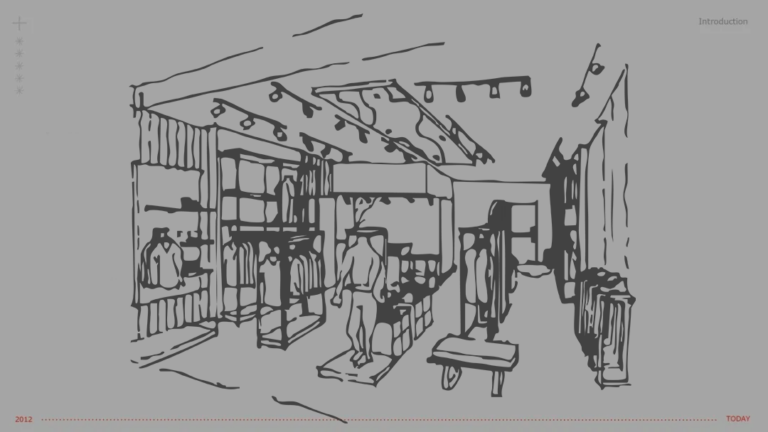
Image source: 5 Star Plus Retail Design

At 5 Star Plus Retail Design, we combine strategic thinking, creative concepts, and spatial planning to develop retail environments tailored to each client’s objectives. From flagship and concept store design to rollout design for multi-store brands, our approach connects brand identity with physical customer experience. With teams in Europe, China and the Middle East, we also help brands adapt their store concepts to new markets.

Because the best retail spaces do more than attract attention. They give customers a reason to enter, explore, engage, and return.

Planning Your Next Retail Project?

Whether you are developing a new retail concept, redesigning an existing store, or expanding into international markets, our team can help you create a distinctive retail environment that combines aesthetics, functionality, and strategic design.

Let’s discuss your store project with 5 Star Plus Retail Design.