Retail design in 2026 is defined by clear visual and spatial choices, but even more importantly by emotional intention. In a time shaped by global uncertainty, economic pressure, and ongoing conflicts, physical retail spaces are becoming environments that must communicate trust, stability, and calm.
Instead of focusing only on aesthetics or future speculation, brands are investing in design decisions that create immediate emotional grounding, comfort, and a sense of wellbeing. Leading brands like Zara, Apple, and Nike already apply these principles in their global store concepts.
1. Materials: Natural, Real, and Textured
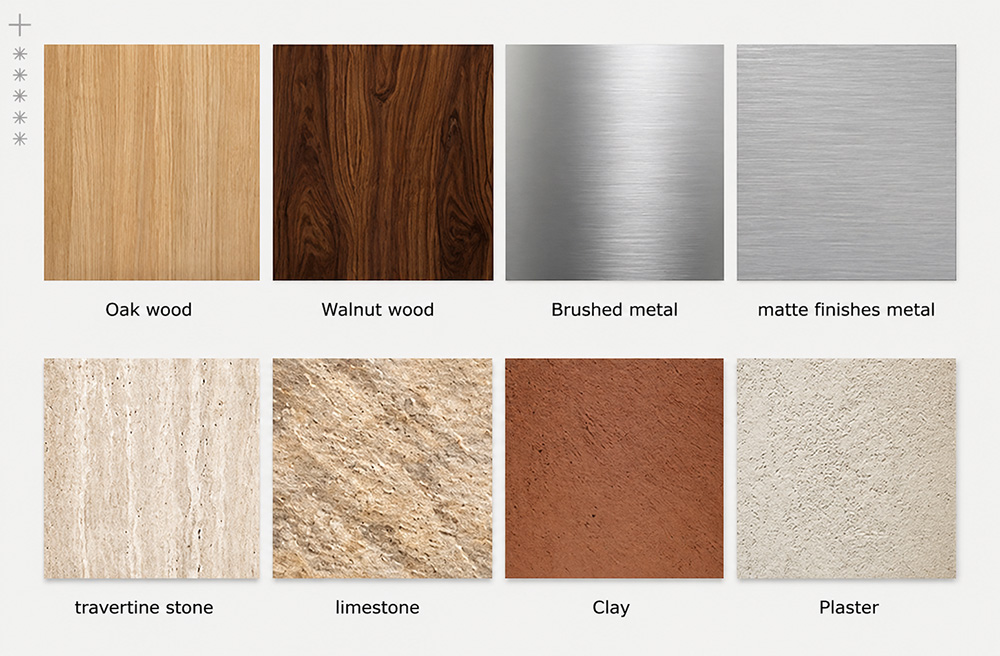
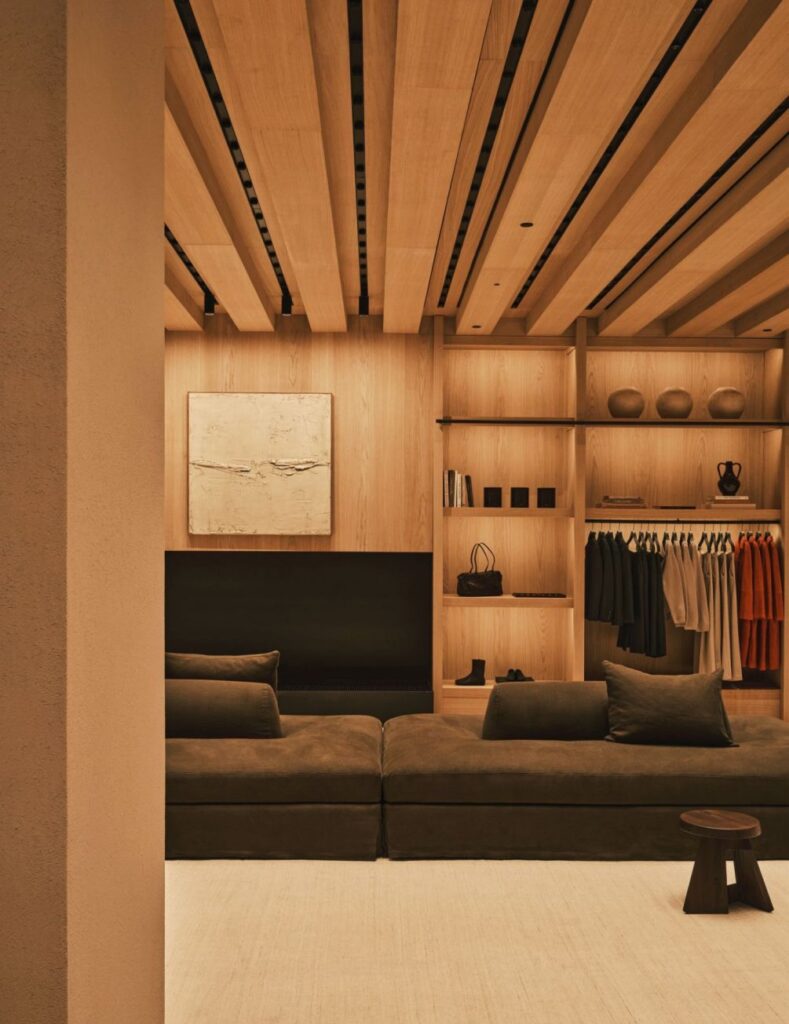
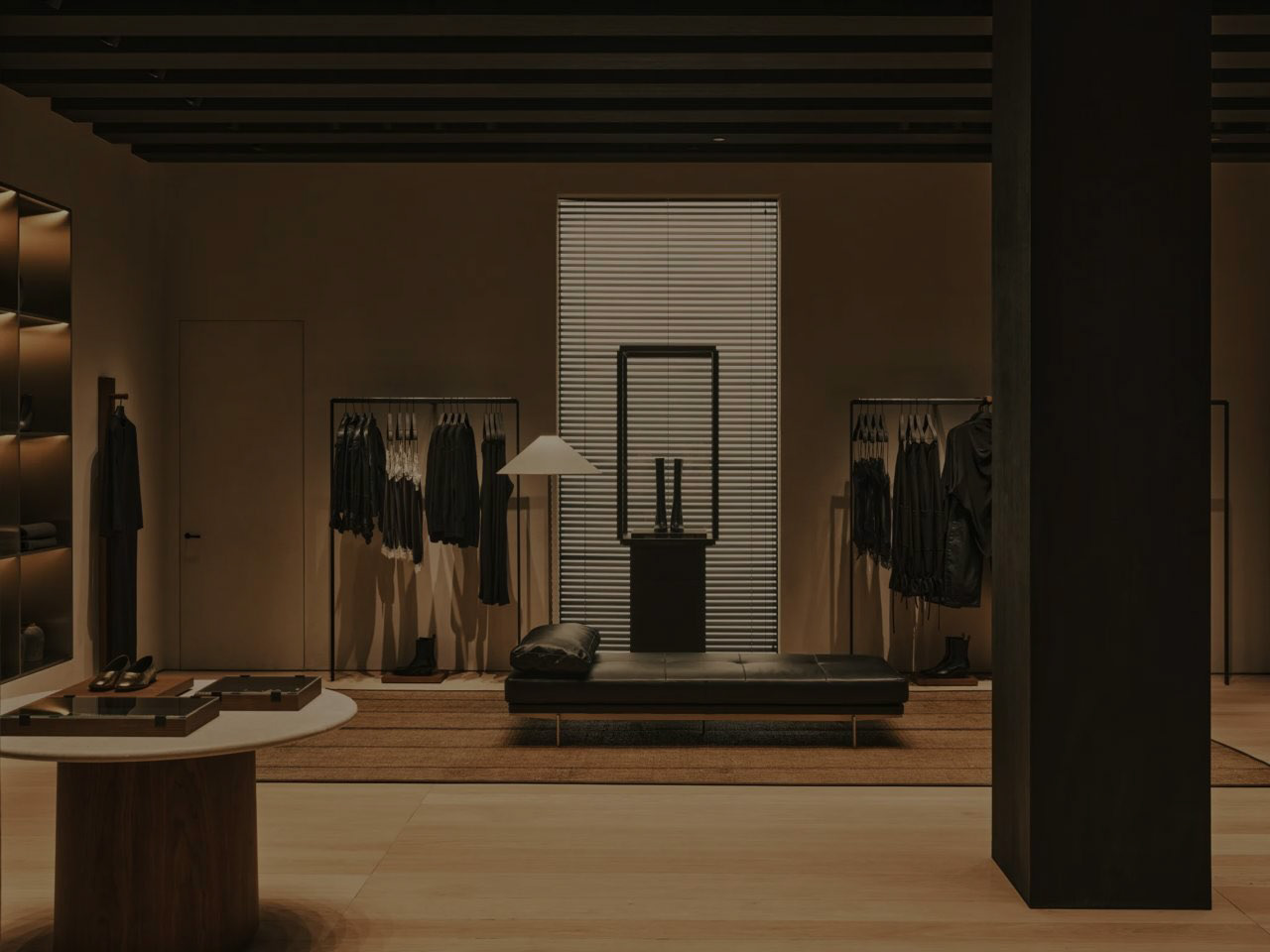
Materials are one of the strongest tools in creating trust in retail spaces. Natural, tactile surfaces such as wood, stone, and clay help create a grounded and honest atmosphere, where customers instinctively feel stability and authenticity.
Trending materials in retail design:
- Natural wood (oak, walnut)
- Stone (travertine, limestone)
- Clay, plaster, and textured walls
- Brushed metal and matte finishes
By using real and unpolished materials, brands communicate transparency and durability, which helps build emotional trust and a sense of permanence in the space.
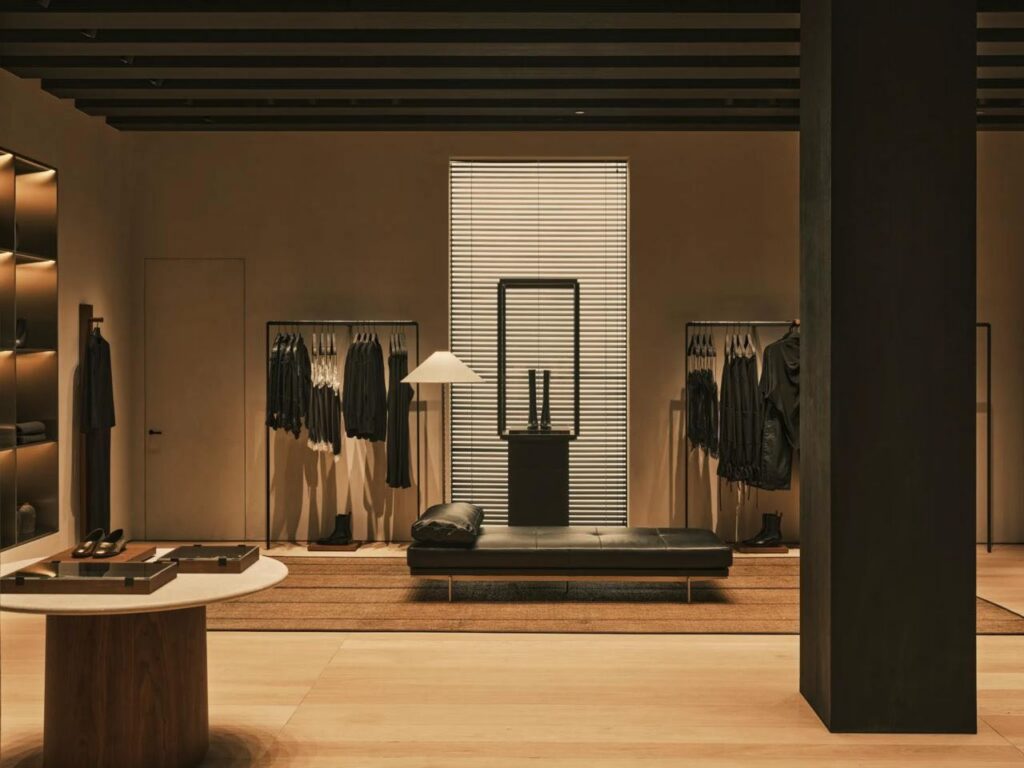
For examples Zara stores show how natural materials like wood and stone and metal create a calm and modern retail store design atmosphere, where products become the focus instead of decoration.
2. Colors: Calm, Warm, and Controlled
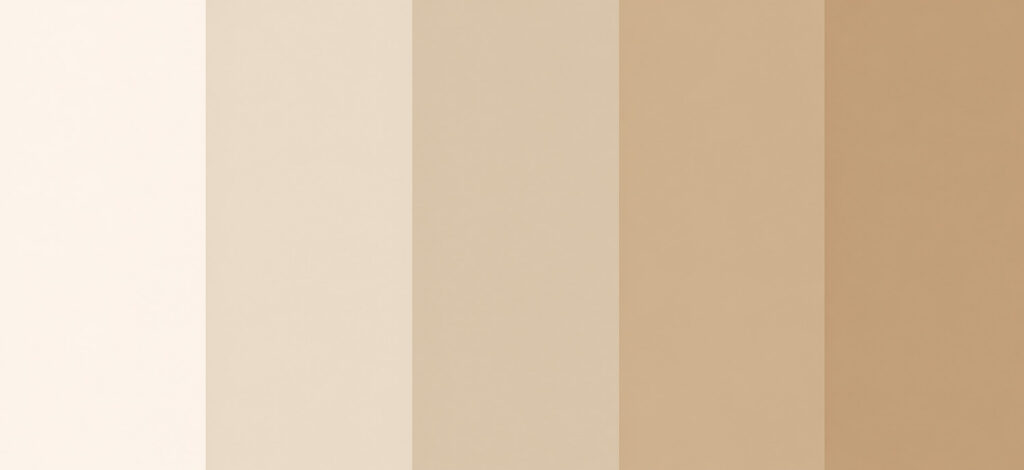
Key color directions in retail store design
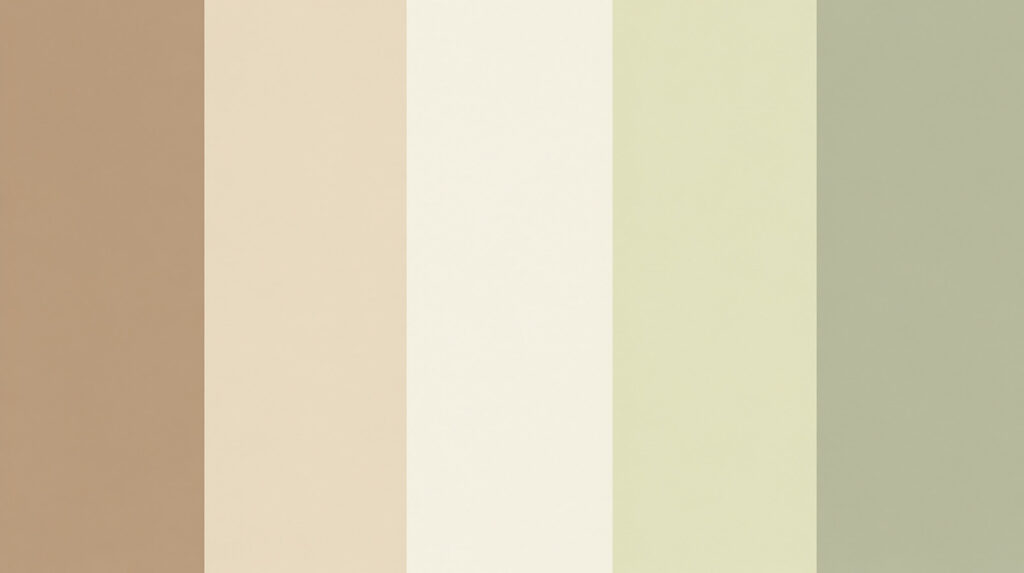
- Warm neutrals (beige, sand, cream)
- Earth tones (brown, olive, terracotta)
- Monochrome interiors
- Soft contrast palettes
Color in retail design is shifting toward emotional balance. Warm neutrals and earth tones create a soft, grounded visual language that reduces overstimulation and builds subconscious trust.
These palettes support a feeling of calm and stability, helping customers feel emotionally safe and comfortable in the space, which naturally increases dwell time and brand connection.
3. Lighting: Layered and soft
Lighting is no longer only functional, it is an emotional design tool. Soft, layered lighting creates a sense of calm, clarity, and visual comfort, reducing pressure on the customer experience.
Trends:
- Soft warm lighting instead of harsh white light
- Layered lighting (ambient + accent + decorative)
- Highlighting products instead of lighting everything equally
- Strong use of natural light
This approach supports a light, open, and stress-free atmosphere, allowing customers to feel relaxed and more present in the space, which increases trust and product engagement.
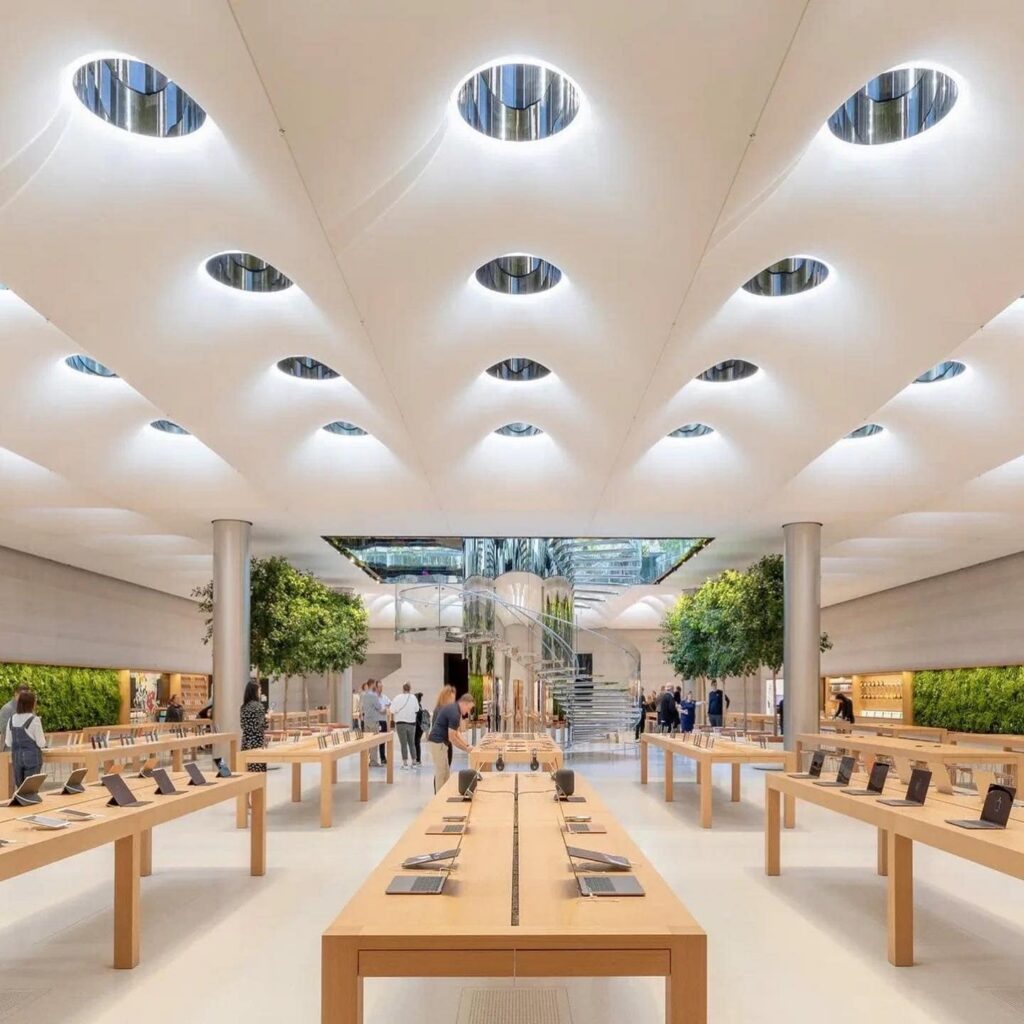
Apple stores are a strong example of how controlled lighting and natural daylight create an environment of transparency and calm confidence.
4. Store Identity Through Material Contrast
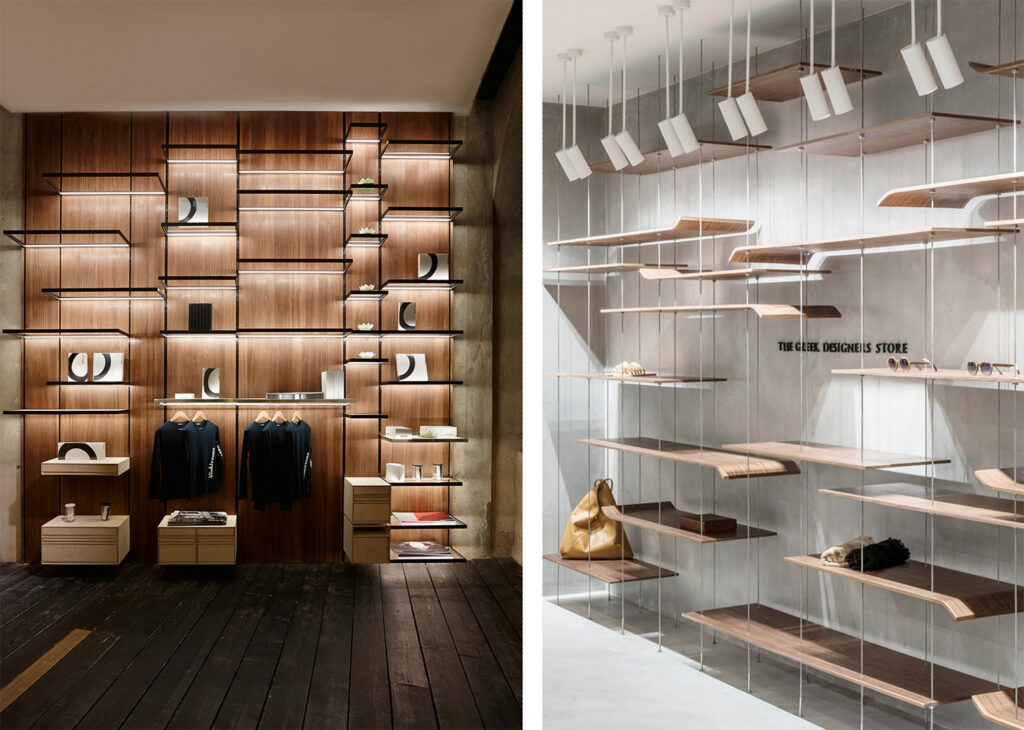
One important trend in 2026 retail design is the use of contrast between materials to create strong brand identity. Instead of one uniform style, designers mix different surfaces to create energy and focus. Contrast creates brand personality inside the retail store design.
Common contrasts:
- Raw vs polished
- Warm vs cold materials
- Soft vs industrial surfaces
While contrast adds visual energy, it is carefully balanced to maintain a harmonious and reassuring spatial rhythm. This balance ensures that the store feels both structured and emotionally stable, reinforcing brand trust while maintaining a strong identity.
5. Furniture and Fixtures: Simple and Modular
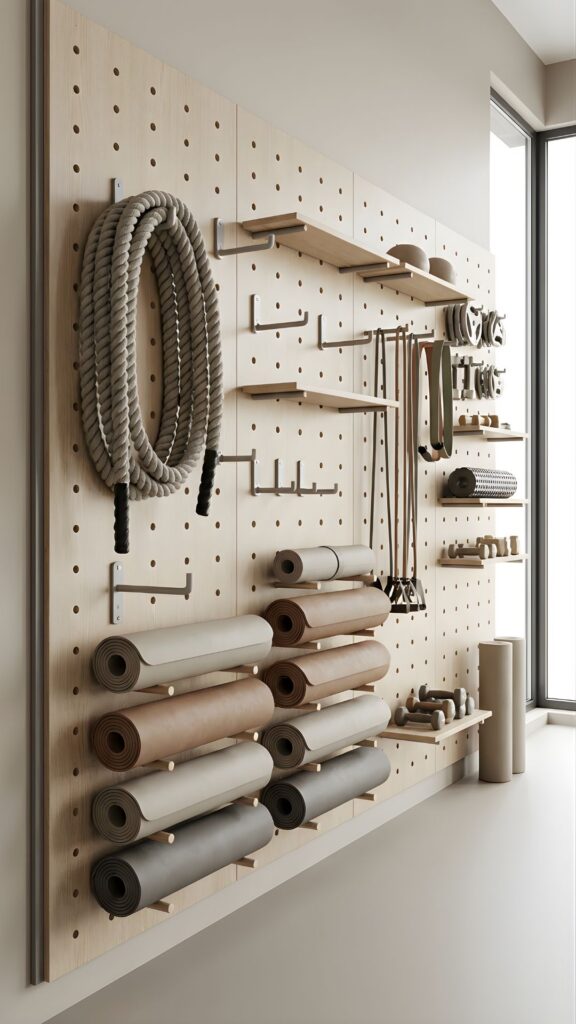
Retail furniture is becoming lighter, more flexible, and less dominant in the space. This shift contributes to a feeling of lightness and reduced visual pressure, allowing customers to move more freely and comfortably.Key trends in retail furniture design:
- Modular shelves
- Movable display units
- Minimal furniture shapes
- Less heavy built-in structures
Retail furniture is becoming more adaptable. Stores can now change layouts faster without full renovation, making spaces more flexible and efficient.
By reducing physical and visual heaviness, stores create a lighter emotional atmosphere, where customers feel more at ease and less overwhelmed. This supports longer stays and a more relaxed shopping experience.
What Defines Retail Design Today
Retail design trends in 2026 focus on clarity, material quality, and spatial experience. Natural materials, controlled colour palettes, layered lighting, and flexible layouts define the direction of modern retail environments.
Work with us
If you are planning a new retail concept or want to improve your store design, we can help you create a space that combines strong identity, functionality, and customer experience.
If you want to design a new store, restaurant, exhibition stand, or other project, contact us now at office@5starplusdesign.com