Most marketing and retail professionals know that a strong store design concept is essential for the success of any physical retail space. What is less known: the work that follows the design phase is often just as demanding and even more critical for achieving a high‑quality store that looks and performs exactly as intended. To deliver a true store design to execution turnkey solution, three core processes must be managed with precision, experience, and hands‑on coordination.
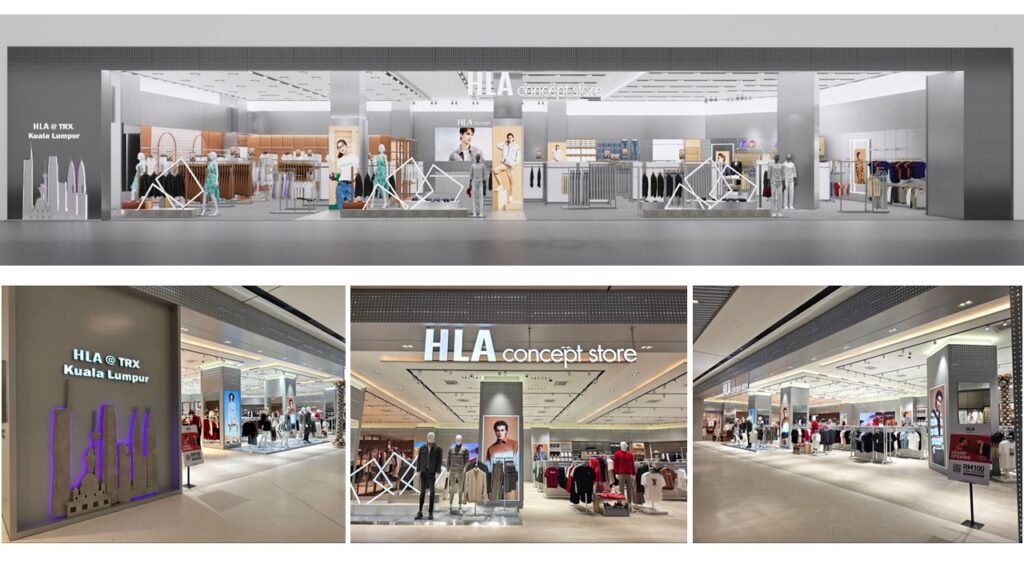
1. Completing the Store Design Stage Properly:
A store design project must end with a complete and accurate set of specifications. These documents form the foundation for all subsequent production, sourcing, and construction work.
- Construction drawings
A full set of floor plans, elevations, ceiling plans, and installation details enables contractors to understand exactly how the space must be built. These drawings are also submitted to:
- the mall or building operator for review and approval
- local building authorities, who must approve the plans before construction can begin
- Production drawings
All custom‑designed elements including furniture, ceiling features, or decorative components, require detailed production drawings and instructions for factory quoting and manufacturing.
- Furniture and material specification list
This master list includes quantities, materials, colors, finishes, and technical details for every item in the store. It ensures accurate ordering and helps contractors provide precise quotations.
- Additional documentation
Depending on the project, clients may also receive presentations, furniture overviews, or accessory lists to support procurement and installation.
These documents collectively form the technical backbone of the entire turnkey execution process.
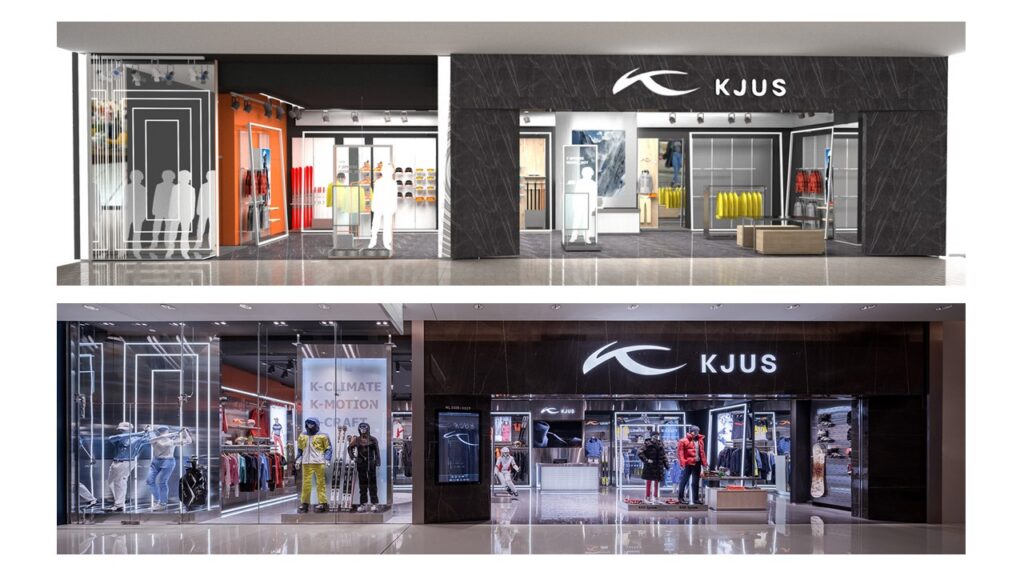
2. The Sourcing and Logistics Process
Sourcing of custom-designed elements is often the most complex part of a store design to execution turnkey project. A single store may require hundreds of products and materials, each with its own specifications.
Briefing factories and managing quotes
Even with detailed production drawings, factories must be thoroughly briefed to ensure realistic quotations. Changes are common due to budget adjustments, material improvements, or design refinements and all documentation must be updated accordingly.
Production monitoring
Once production begins, progress and quality must be monitored closely. This typically includes:
- regular communication with each factory
- quality checks for each product category
- one or two physical factory visits
Export logistics
After production:
- items are packed for export
- transported to the port
- inspected
- loaded onto the vessel
- shipped (usually 6–10 weeks depending on destination)
- declared and released at the destination
- delivered to the store
Production in China
We offer turnkey solutions and frequently produce store furniture and materials in China, where factories often provide:
- shorter lead times
- competitive pricing
- specialized manufacturing capabilities
Depending on the project, we also produce in Poland or Turkey. A typical project may include flooring, wall and ceiling materials, lighting, furniture, signage, branding elements, props, and accessories, all produced in China and shipped to locations across Europe, the Americas, Africa, or Australia.
If you are considering opening a store and sourcing materials remotely with better prices and faster lead times, feel free to reach out for more information.
- Construction Management and Tender Management
Once potential construction partners have been identified, the design and specifications are shared with selected companies as part of a request‑for‑proposal process.
Because many project owners do not have design or project management qualifications, the original design agency is often contracted to:
- coordinate with contractors
- supervise works on site
- clarify technical questions
- ensure that all construction follows the approved specifications
Tender management
In many cases, the project owner chooses to open a tender. An independent qualified party, usually the design firm or a project management company, manages:
- preparation of tender documents
- transparent communication with all bidders
- evaluation of proposals
This ensures a fair, structured, and professional selection process.
In summary, a store design to execution turnkey project is a highly complex undertaking that requires detailed planning, technical expertise, and continuous coordination. When managed properly, it transforms a design concept into a fully realized retail space that performs exactly as intended.