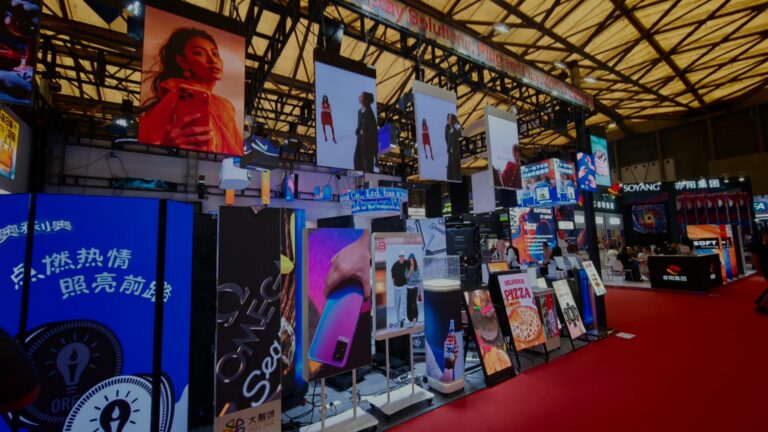
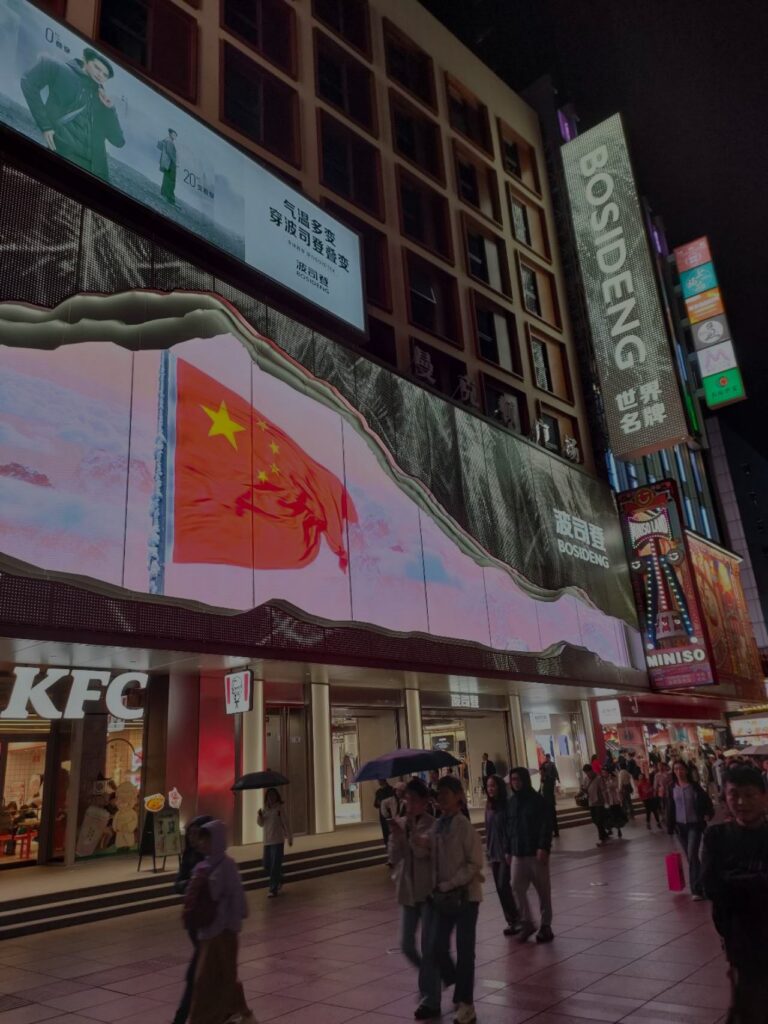
China’s retail landscape is one of the most dynamic in the world. Over the last decade, it has evolved from traditional shopping streets into a highly digitized, design-driven, and experiential ecosystem. For international brands entering this market, understanding retail design in China goes far beyond architecture and visuals. It’s about creating emotional, cultural, and digital resonance.Designing retail spaces in China requires a blend of global brand identity and local consumer insight. From color psychology to technology integration, the smallest design decision can define how a brand is perceived by Chinese shoppers.
1. Retail Design in China Is About Experience, Not Just Space
Chinese consumers, especially Gen Z and Millennials, view shopping as entertainment. Retail spaces have become social destinations — places to explore, share, and connect.
Successful retail design in China focuses on multi-sensory engagement:
- Interactive installations that encourage user participation.
- Immersive storytelling through light, sound, and movement.
- In-store events or pop-ups that change seasonally to keep experiences fresh.
2. Balancing Global Identity with Local Culture
Localization is key to success in Chinese retail design. International brands must adapt their design language while keeping brand DNA intact.
Examples:
M&M’s World Shanghai: A colorful window showcase blending international candy culture with local flair, featuring vibrant displays, interactive experiences, and Shanghai-exclusive merchandise.
Salomon Store, Anfulu: An immersive indoor experience blending sport and style, with dynamic interior layouts, thoughtfully arranged displays, vibrant lighting, and an adventurous, engaging atmosphere.
Burberry’s Shenzhen store and Cafe: Integrates digital experiences through WeChat, creating a hybrid physical-digital experience tailored to Chinese tech culture.
When designing retail spaces in China, brands should consider:
- Color meanings: Red symbolizes prosperity, gold stands for success.
- Cultural symbolism: Round shapes, balance, and harmony are deeply valued.
- Local materials: Using locally inspired textures and motifs creates authenticity.
3. The Digital Layer: Seamless Integration of Technology
One of the defining features of retail design in China is the deep integration of technology. Consumers expect smooth online-to-offline (O2O) interactions — where the physical store and digital presence are fully connected.
Smart retail environments in China often include:
- QR codes for instant product info, payment, or AR experiences.
- Digital mirrors and AI-powered fitting rooms.
- Personalized recommendations powered by data analytics.
The design challenge for international brands is to integrate technology invisibly — making it intuitive and natural to the overall brand journey.
4. Retail Psychology: Designing for Behavior
Understanding consumer psychology is essential for success in China’s competitive retail market. Shoppers tend to spend more time and money in spaces that feel inviting, aspirational, and shareable.
Key psychological design triggers:
- Lighting: Warm, layered lighting enhances trust and comfort.
- Mirrors: Strategically placed mirrors increase dwell time.
- Flow: Smooth navigation keeps consumers exploring longer.
The goal of retail design in China is to influence emotions to make customers feel connected, inspired, and valued.
Entering China’s retail market offers tremendous opportunities, but success
depends on how well a brand can translate identity into spatial experience. At 5 Star Plus Retail Design, we help international brands create retail spaces in China that truly resonate spaces that tell stories, spark emotions, and connect with local audiences on a deeper level.