In today’s competitive retail market, brands invest heavily in marketing, product development, and branding. Yet many overlook a critical factor that directly influences purchasing behavior: retail store design.
A poorly planned store layout, inconsistent execution, or unclear visual merchandising strategy can quietly reduce conversion rates, even in high traffic locations.
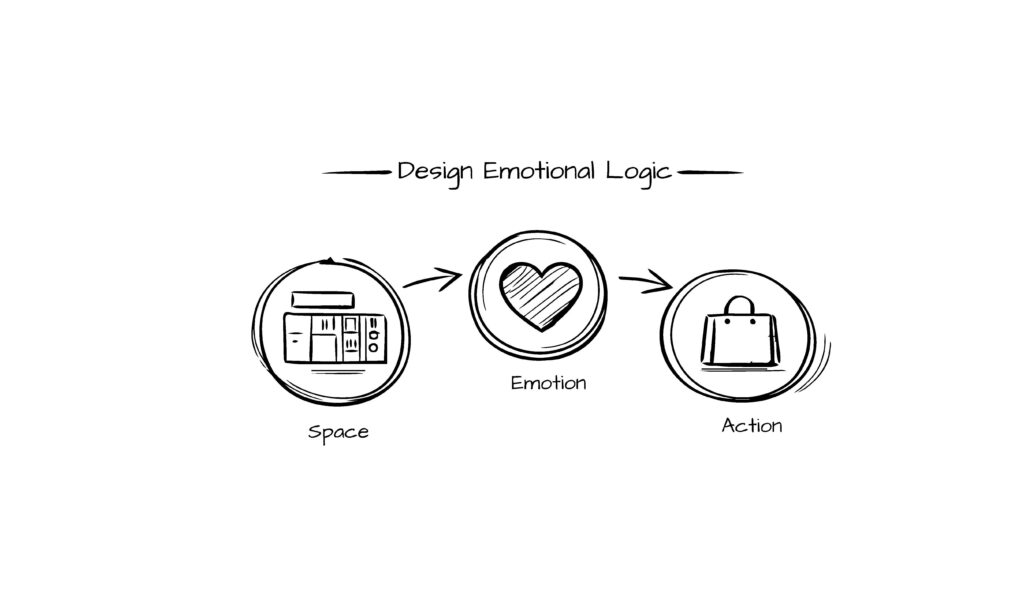
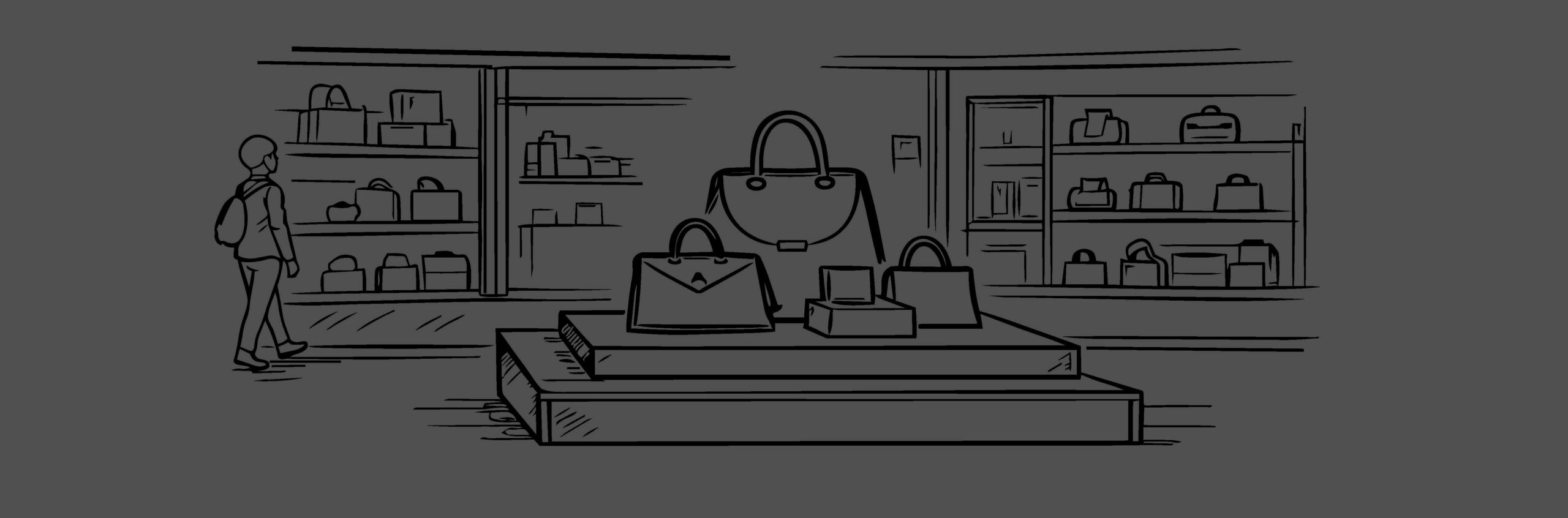
At its core, strategic retail store design shapes how customers move, feel, and buy inside a space.
Image Source: 5 Star Plus Retail Design
Below are five common retail design mistakes that negatively impact on sales performance and customer experience.
1. Designing for Visual Impact Instead of Customer Clarity
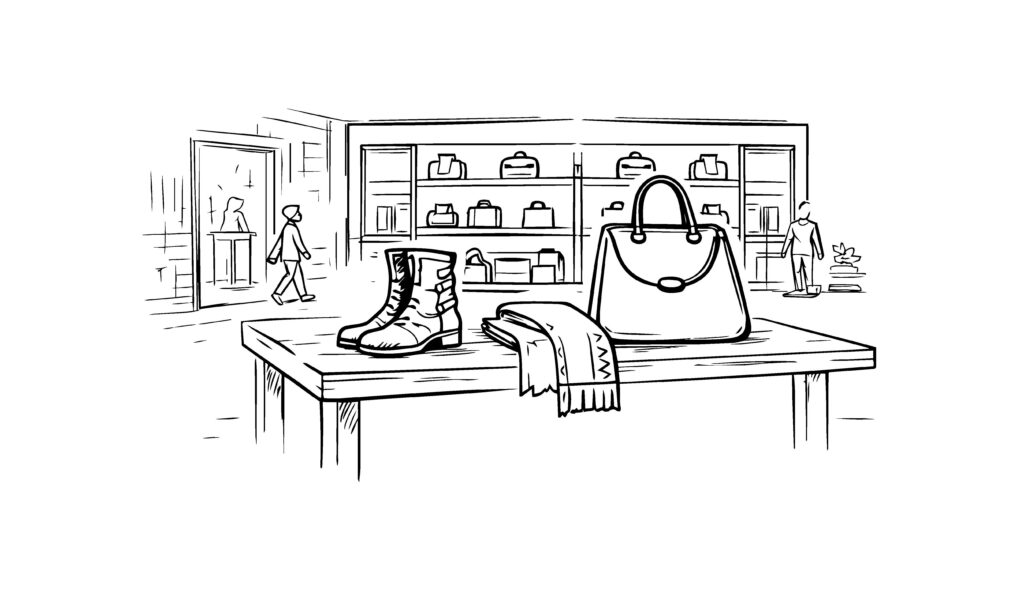
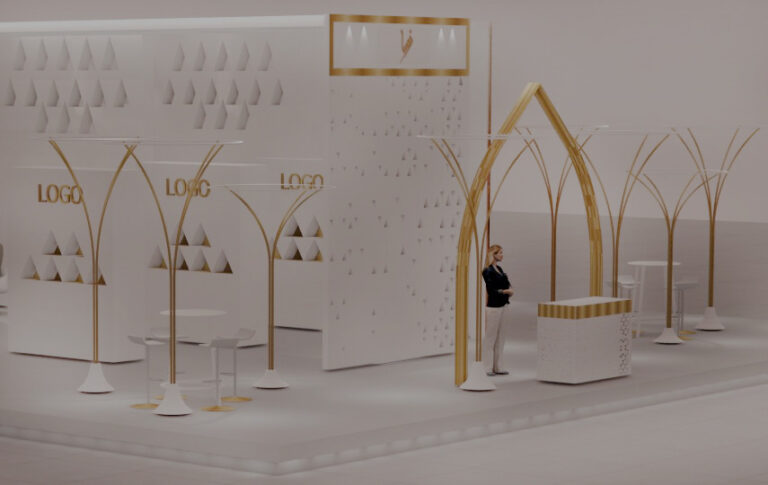
Many brands prioritize dramatic design features to attract attention. While visual appeal is important, clarity always converts better than complexity.
Image Source: 5 Star Plus Retail Design
If customers cannot instantly understand:
What the product is
Where to find it
Why it matters
the design is creating friction.
Effective visual merchandising and retail branding simplify decision-making. Every fixture, sign, and display should guide and not overwhelm.
2.Overloading the Store with Visual Messages
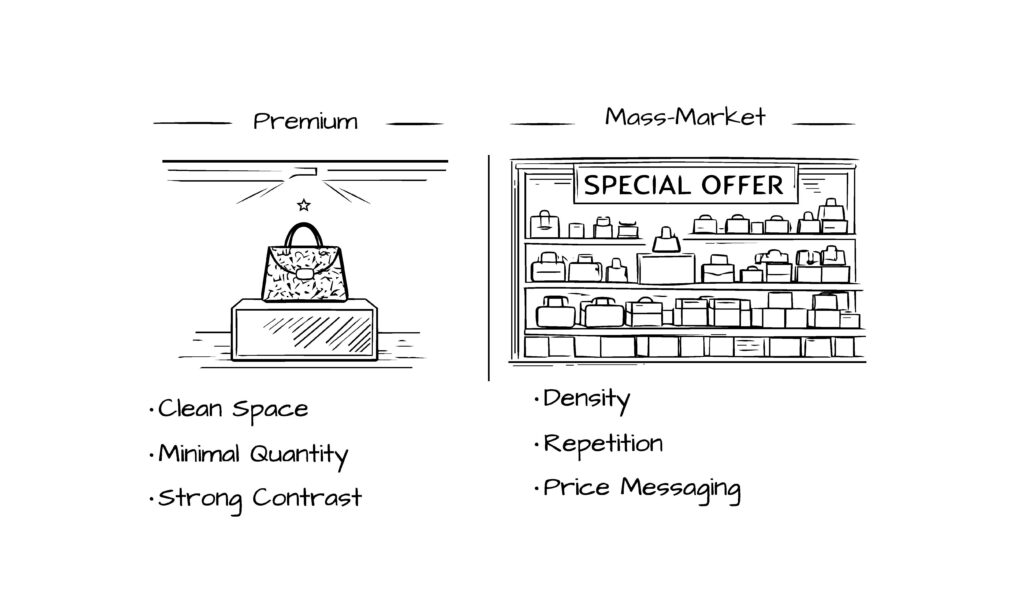
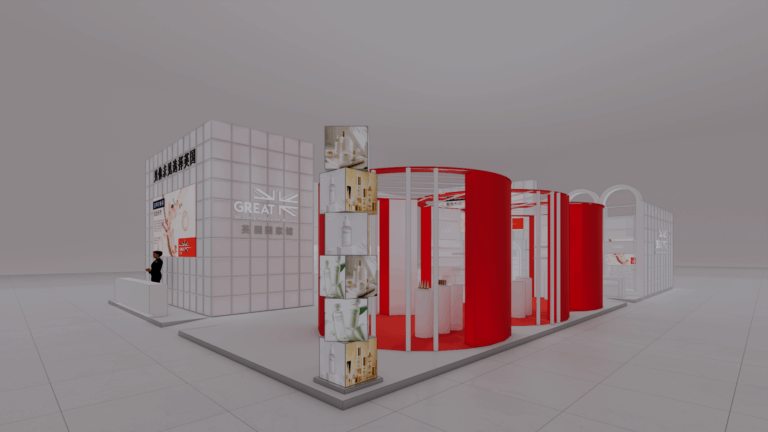
Retail environments often suffer from excessive promotional graphics, inconsistent signage, and too many focal points.
Image Source: 5 Star Plus Retail Design
This creates:
Visual fatigue
Reduced product focus
Lower dwell time
Strong store layout design requires hierarchy. Not every product or promotion deserves equal visual weight.
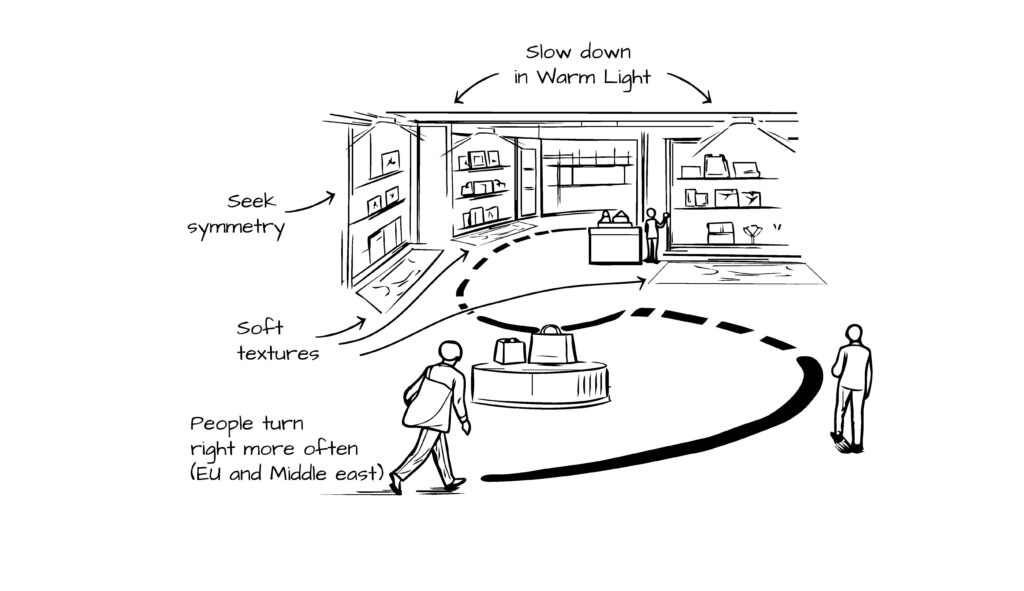
In commercial interior architecture, flow is more powerful than form. Movement patterns directly impact dwell time and conversion rates.
3. Ignoring Customer Journey and Traffic Flow
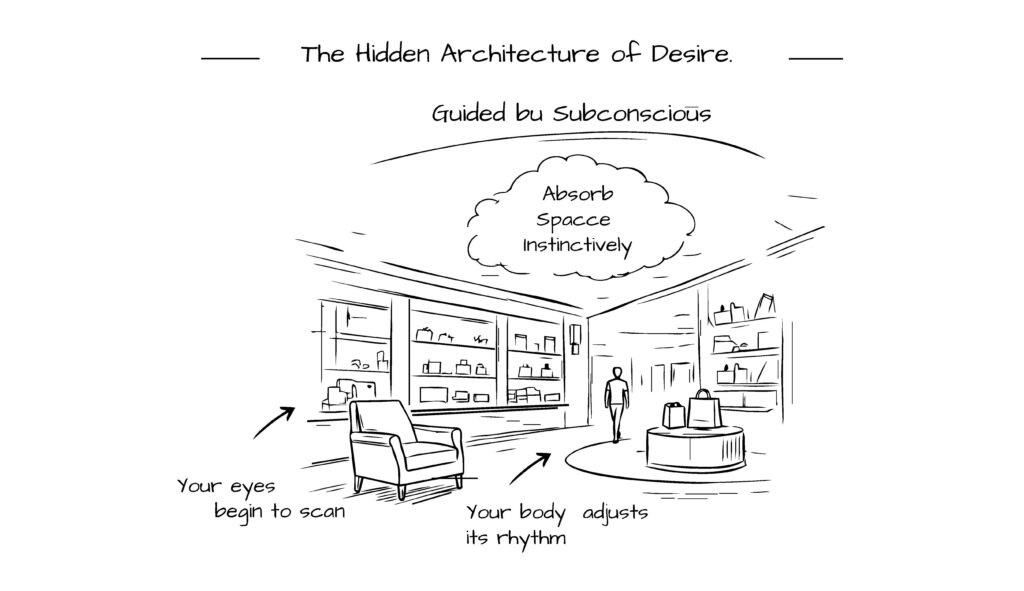
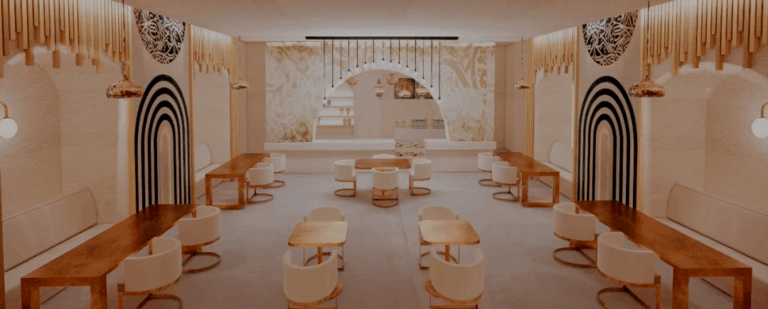
Retail design should follow human behavior patterns.
Without a defined customer journey strategy, even aesthetically impressive spaces can feel disorganized or uncomfortable.
Image Source: 5 Star Plus Retail Design
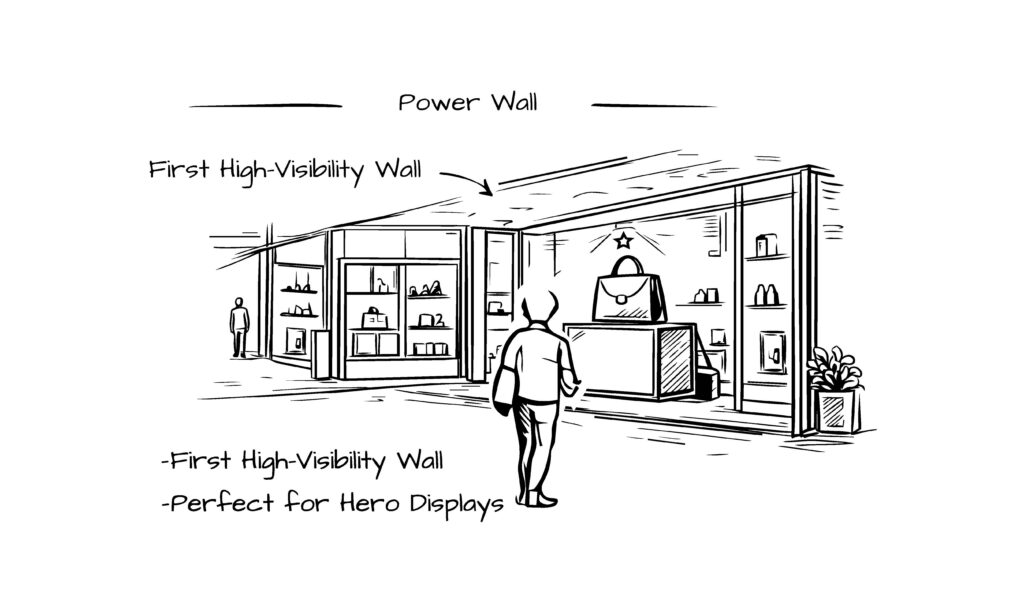
Professional retail space planning considers:
Entry transition zones
Power walls and anchor displays
High-margin product positioning
Natural circulation paths
Checkout placement strategy
Image Source: 5 Star Plus Retail Design
Customer flow directly impacts:
Dwell time
Basket size
Conversion rates
In retail environments, flow drives revenue.
4.Treating Retail Fixtures Like Advertising Billboards
Retail is not advertising; it is behavioral design.
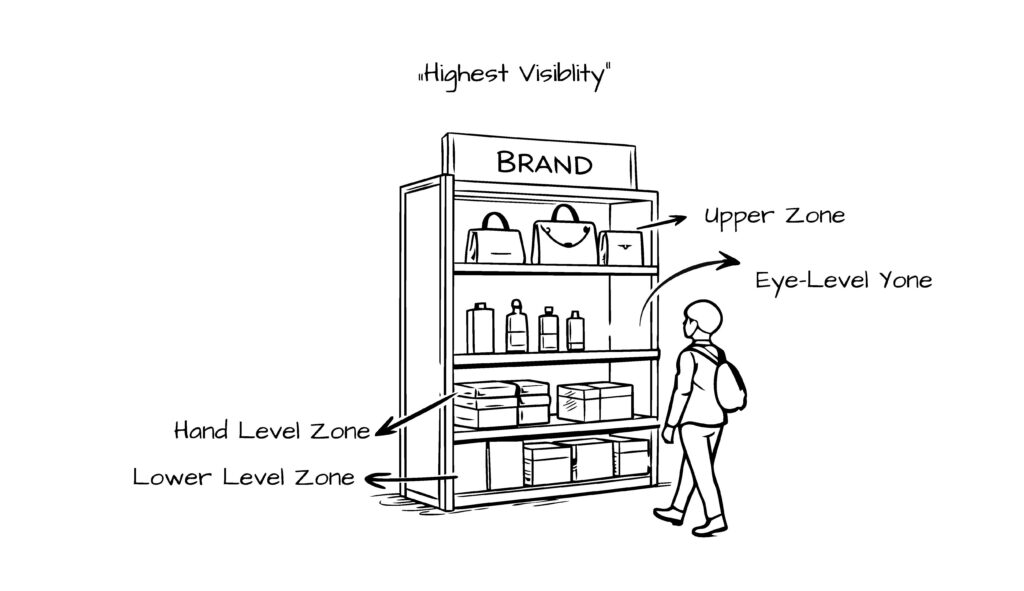
Shelving systems, display units, and fixtures are decision-making tools, not promotional surfaces.
Effective retail display design:
Elevates product visibility
Reduces confusion
Supports product storytelling
Creates guided exploration
Image Source: 5 Star Plus Retail Design
The product must remain the focal point. The environment should enhance its value and not compete with it.
Why Strategic Retail Design Matters
Retail environments are measurable business tools. Well-executed retail store design improves:
Customer engagement
Brand perception
Operational efficiency
Sales performance
The most successful spaces align brand identity, consumer psychology, and spatial planning into one cohesive system.
Retail Store Design Principles Apply Across All Markets
No matter where a brand operates, whether in China, Europe, the United States, or the Middle East, the fundamentals of successful retail store design remain the same.
Cultural nuances, consumer expectations, and regulatory standards may vary by region. However, clarity, customer flow, visual hierarchy, and consistent execution are universal drivers of retail performance.
Strong retail store design adapts to local markets while maintaining global strategic principles.
Partner With Experts in Strategic Retail Store Design
Avoiding these common mistakes requires strategic thinking, not just aesthetics. Successful retail store design combines customer psychology, spatial planning, and brand clarity.
Image Source: 5 Star Plus Retail Design
At 5 Star Plus Retail Design, our international team of retail designers and commercial interior architects develops high performance retail environments for brands across global markets. From concept development to multi location execution, we create spaces built to drive results.